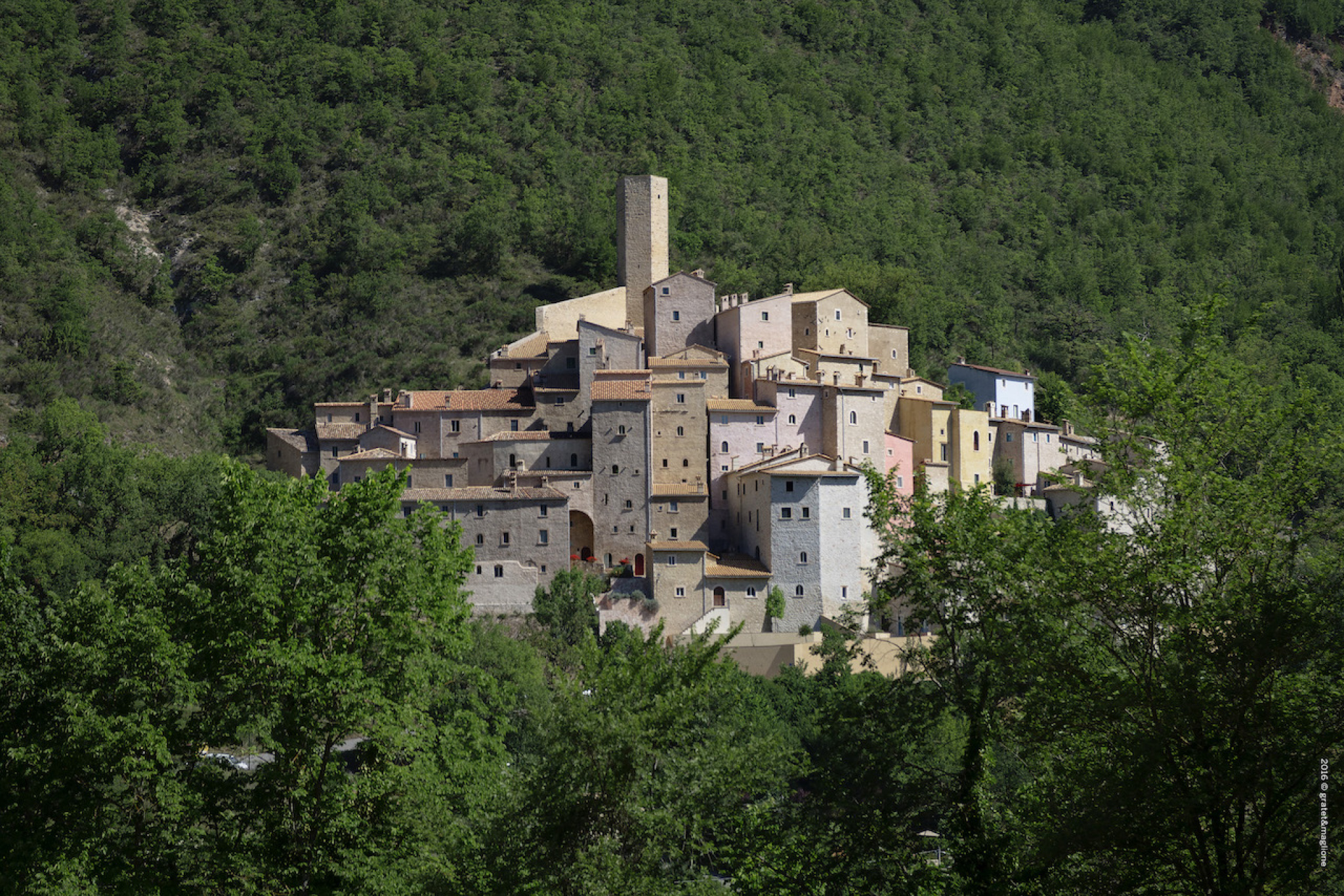
The village of Postignano was founded in the 9th century by local residents, mostly farmers and artisans. By the 17th century, it had become a thriving commercial hub, renowned for its hemp and iron production, and a key crossroads connecting Spoleto, Norcia, Foligno, and Assisi.
Castello di Postignano fell into disrepair over the following centuries, until a full restoration effort began in 1994 with the acquisition of all the properties and land. Construction was halted in 1997 due to an earthquake, but resumed for good in 2007, marked by a cultural and architectural heritage protection status requested by the owners and granted by the Ministry of Cultural Heritage.
Today, Castello di Postignano stands as an extraordinary example of how a complex historic structure can be brought back to life, serving as an international benchmark for heritage conservation paired with modern technology.
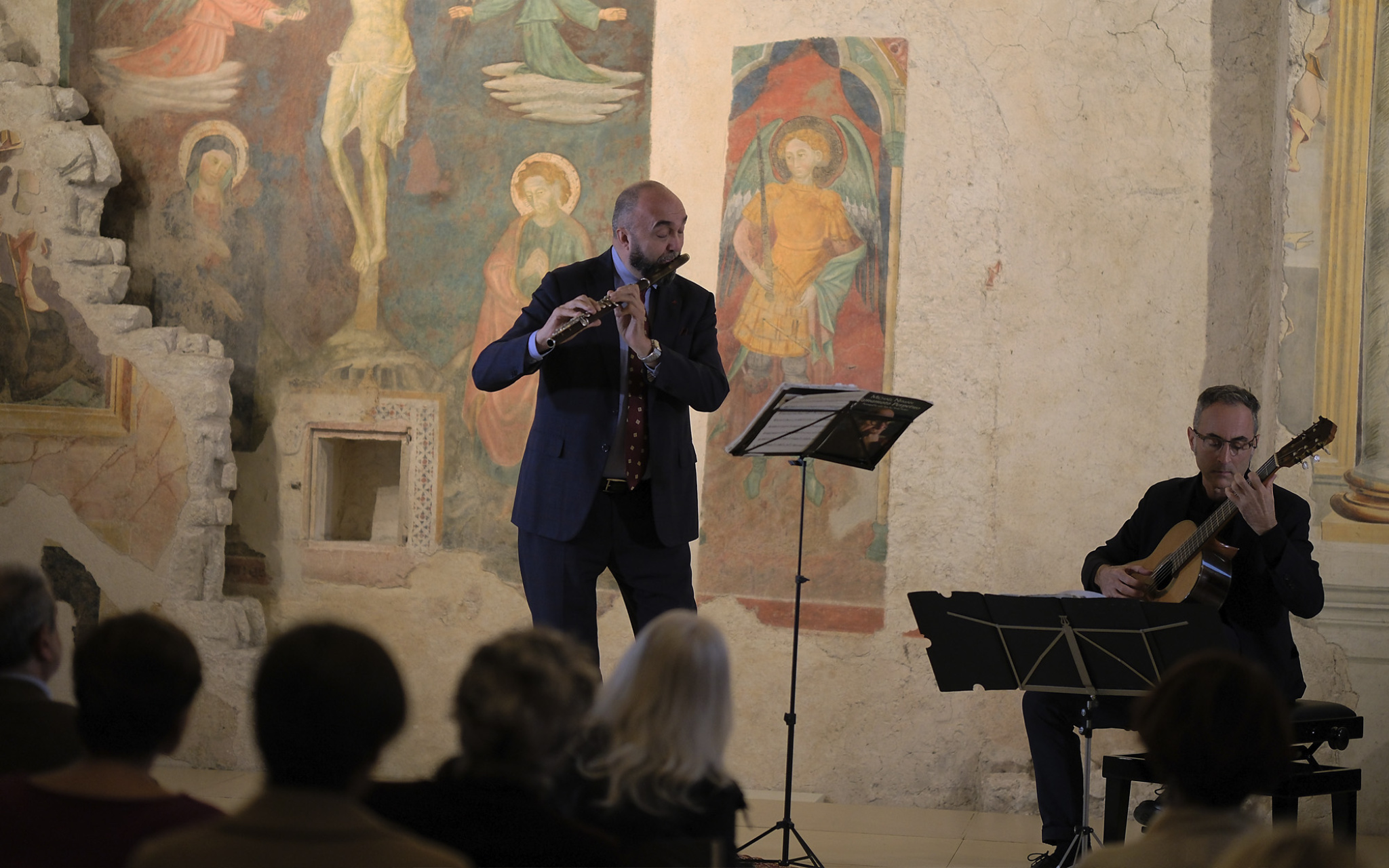
Castello di Postignano offers an authentic living experience immersed in beauty and a community that deeply values its environment, history, culture, and human connections. The village features private residences, a high-end Relais, a restaurant, a café, and shops specializing in antiques, crafts, and local products. The village church, now converted into an auditorium, hosts a season of concerts and events, alongside art galleries, a billiard room, a library, a swimming pool, a wellness center, and a fitness trail. All these facilities are open to both residents and Relais guests, making Castello di Postignano a truly unique place where history, culture, and modernity meet in perfect harmony.